
Production First
Automotive Plastic Parts Production for Repeat Orders
AutoMoldingPro supports custom automotive plastic parts from production-readiness review through controlled molding, inspection, packaging, and repeat supply. Existing molds, new tools, and second-source programs are routed differently so the approval path matches the actual project stage.
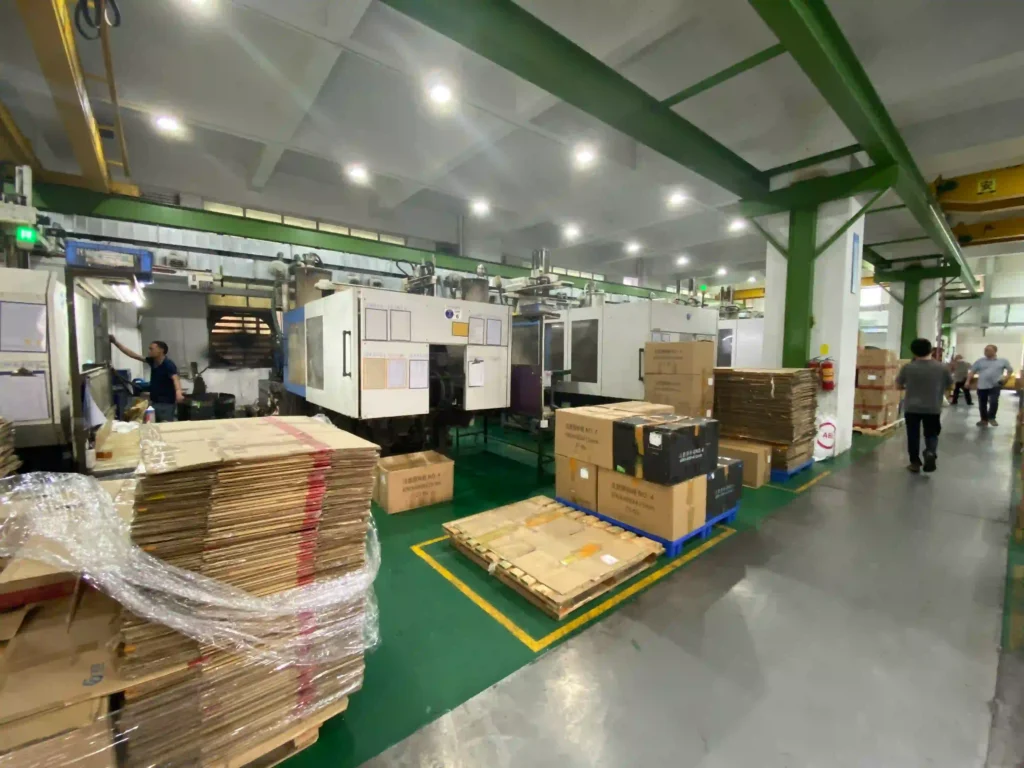
Built Around Repeatable Parts Supply
The primary fit is a program with released or maturing part data, defined resin and approval requirements, and recurring demand. The work begins by checking whether the mold, press, material, process, inspection, and packaging baseline can support repeat orders.
DFM, new tooling, insert molding, mold transfer, and second-source development are used when they remove a specific production barrier. Export molds remain a separate route for customers who will run the tool in another plant.
Choose the Route That Matches the Current Status
Start from what already exists, not from a generic tooling package.
Ready for repeat production
Review the approved mold, resin, part revision, process baseline, quality plan, order pattern, and packaging before first-off release.
Moving an existing mold
Document custody, incoming condition, destination-press compatibility, repairs, trial baseline, and requalification.
Establishing a second source
Define data rights, source baseline, measurable equivalence, repeat-tool/process work, comparison evidence, and customer release.
Developing a new part or tool
Use DFM to disposition design risks, then freeze the mold specification before steel and validation milestones.
Buying an export mold
Build around the receiving press, plant standards, utilities, component brands, trials, documentation, preservation, and destination qualification.
A Practical Program Fit
A useful first review establishes whether the available inputs support a responsible production or tooling proposal.
Custom molded component
The part has a defined automotive use environment, application owner, and drawing/CAD path; product approval remains with the customer.
Repeat demand or continuity need
Forecast, order pattern, service requirement, or supplier-risk objective is sufficient to evaluate tooling, material, setup, and capacity economics.
Controlled technical baseline
Current revisions, resin, appearance or boundary standards, critical interfaces, and open changes can be identified or explicitly listed as assumptions.
Defined approval evidence
The parties can assign sample, dimensional, material, functional, PPAP-element, packaging, and customer-release requirements before execution.
Operating Functions You Can Evaluate
Evaluate these capability areas against the actual part, mold, press, material, quality, and delivery requirements.
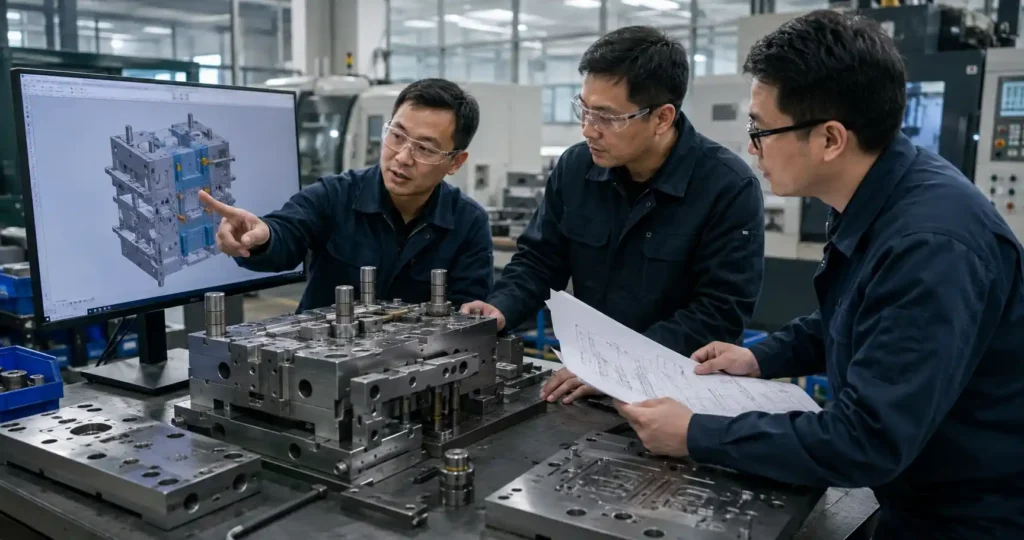
Engineering review
DFM, mold concept, open-item control, and change decisions using the customer-supplied application and technical baseline.
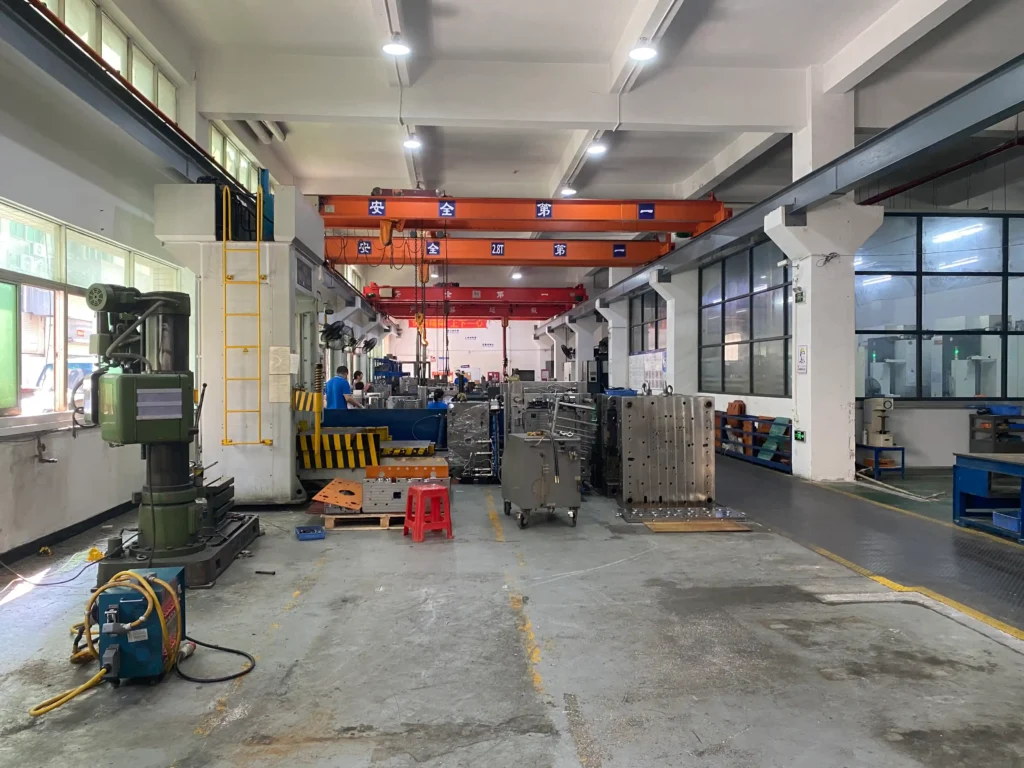
Mold manufacture and maintenance
Mold design, steel and component control, machining, fitting, trials, repair, modification, and export preparation within the agreed scope.
Injection molding
Material preparation, setup, first-off approval, controlled production, lot records, and packaging; machine availability up to 1,200 tons is subject to review.
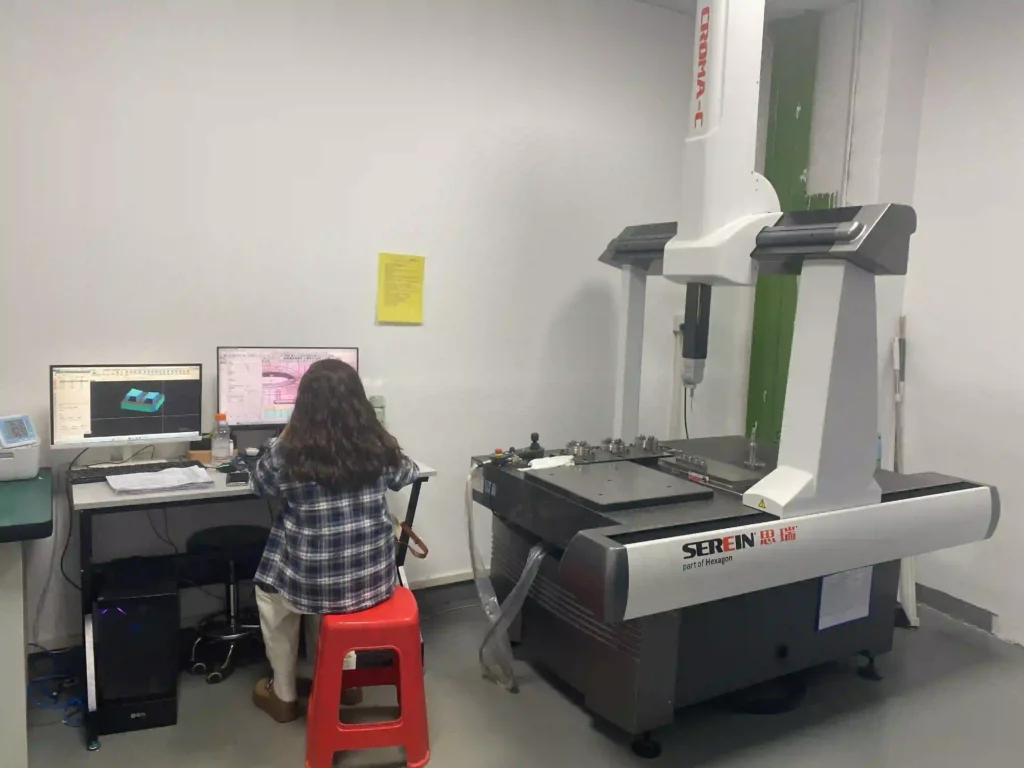
Dimensional inspection
CMM or suitable measurement methods selected against datum structure, tolerance, conditioning, cavity identity, and the contracted inspection plan.
Approval Gates Before Repeat Supply
The exact documents and tests vary by part, but responsibility and release status should stay visible.
1. Data baseline
Record the part/mold revision, resin, application, source samples, ownership, and unresolved requirements.
2. Manufacturing plan
Approve mold/press fit, process intent, inspection, validation ownership, packaging, milestones, and commercial scope.
3. Sample evidence
Review trial conditions, appearance, dimensions, function, material documents, and deviations against the agreed plan.
4. Production release
Approve first-off, process baseline, critical controls, lot identity, packaging, and authorization to ship.
5. Controlled change
Reassess changes to drawing, resin, mold, process, sub-supplier, inspection, or packaging before use.
Export Molds Are a Separate Cooperation Path
When the customer will run the tool outside China, design decisions must follow the destination press and plant—not the assumptions of a China production program. The export-mold scope can cover approved DFM/design, manufacture, China trials, final tool condition, contracted documents, spares, preservation, and shipment preparation.
Receiving-plant installation, processing, local safety acceptance, final part qualification, travel, and production approval are included only when explicitly assigned in the quotation.
Start With a Short Project Routing Review
Send the project route, part/application summary, current stage, and timing. Detailed CAD, drawings, standards, and validation requirements can follow after the initial fit check or NDA discussion.