
Stage-Specific Service
Automotive Injection Mold Manufacturing in China
Design and build a production-oriented automotive injection mold from an approved part definition, mold specification, validation plan, and destination. The work moves through design release, controlled manufacture, T1, correction, and handoff.
When This Route Fits
Use this route when the part data is released enough to define tool construction, expected life, cavities, runner, components, press interface, trials, validation, and whether the tool remains in China or transfers elsewhere.
Inputs That Freeze the Mold Specification
Unknown items can remain open, but the quote and next gate must identify them.
1
Released 3D part data and controlled 2D drawing
2
Resin grade, shrinkage basis, color, texture and appearance standard
3
Annual demand, cavity strategy, expected mold life and target cycle
4
Customer mold standard, preferred components and press interface
5
T1 quantity, inspection scope, PPAP or FAI expectations and shipping destination
From Mold Specification to Production Handoff
Each step produces a decision or record needed by the next stage.
1. Freeze the mold brief
Resolve part revision, resin and shrinkage basis, cavities, life, cycle intent, steel, runner, texture, components, press, trials, inspection, and destination.
2. Approve DFM and tool design
Review parting, gate, ejection, slides/lifters, shutoffs, cooling, venting, sensors, interchangeability, service access, and handling before steel release.
3. Control the build
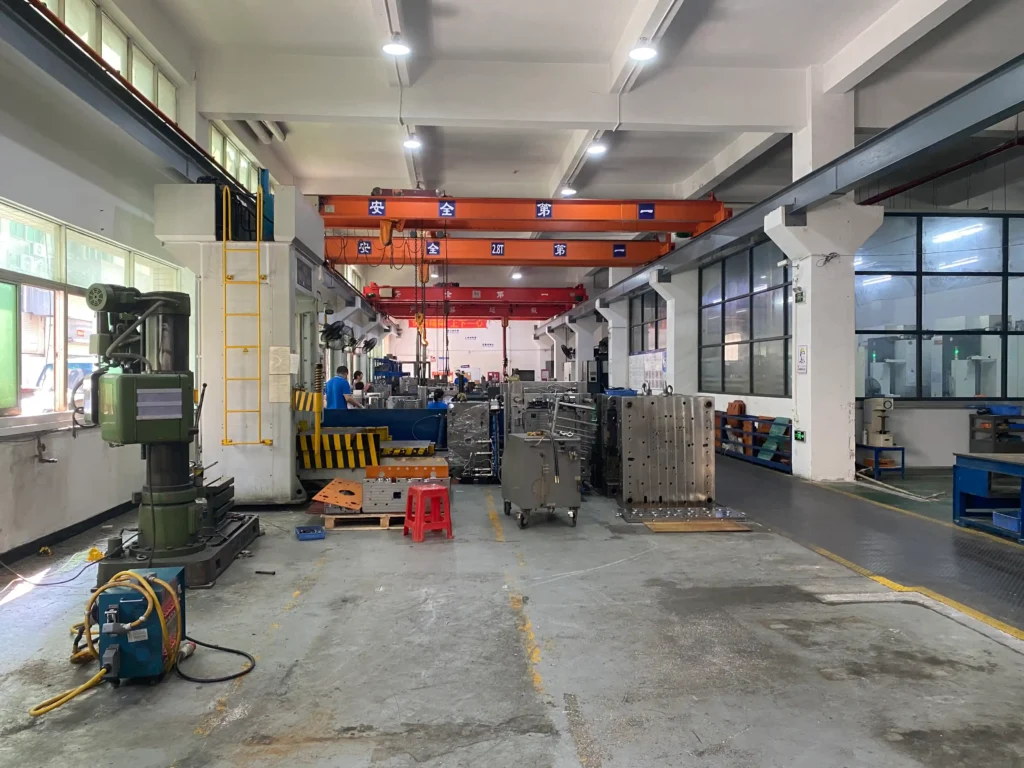
Receive and inspect specified steel and purchased components; machine, measure, fit, and record critical mold features at planned milestones.
4. Run T1 against the plan
Use production-intent resin and the closest confirmed press; record conditions, samples, defects, tool function, and the contracted dimensional scope.
5. Close corrections by authority
Classify part-design, mold, process, material, and measurement issues; implement only approved changes and retain the revision trail.
6. Release final tool condition
Complete agreed sample evidence, open-item closure, drawings, spares, maintenance information, preservation, or production handoff.
Contracted Deliverables
The quotation identifies which items, samples, records, and revision loops are included.
1
DFM and mold-design review package
2
2D/3D mold design for approval
3
Manufacturing schedule and milestone updates
4
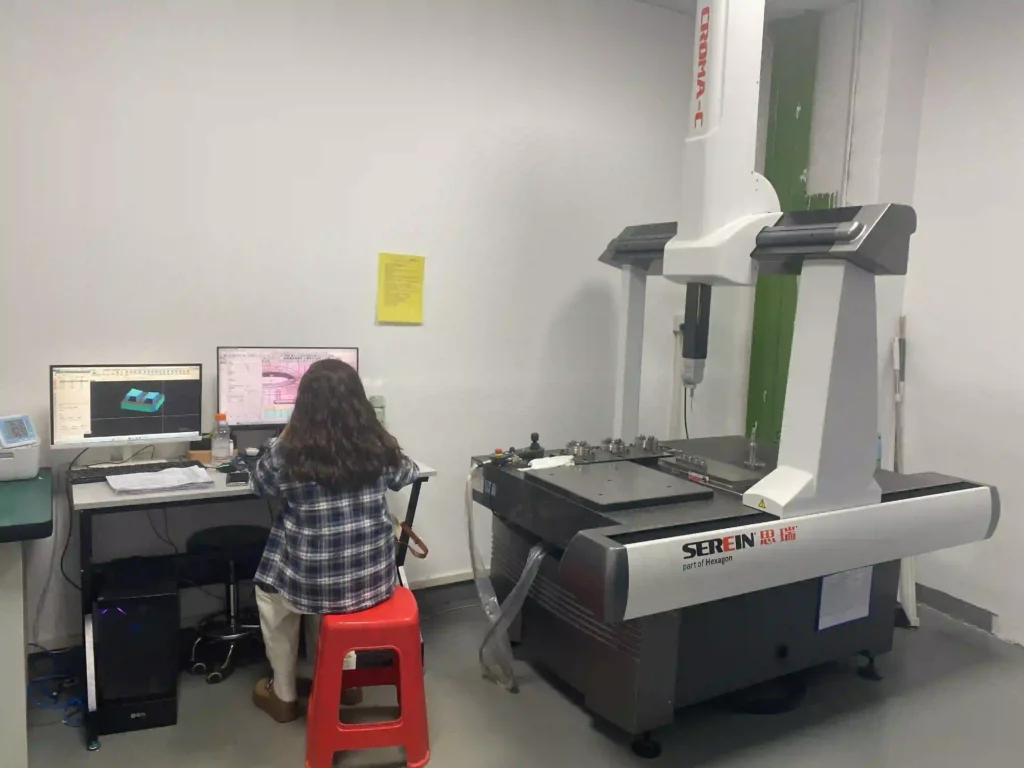
T1 samples, trial record and agreed dimensional report
5
Final tool data, spare parts and export package when contracted
Acceptance and Release Criteria
- Approved mold design and specification identify construction, interfaces, components, trials, documents, and destination.
- Critical mold features and purchased components match the contracted specification.
- T1/correction evidence is reviewed against the agreed sample and dimensional gate, with open items assigned.
- Final tool condition, data, spares, and remaining production or destination qualification are accepted in writing.
Customer-specific standards, submission levels, test methods, sample quantities, and approval authority must be named in the RFQ or purchase requirement.
Risks That Change the Scope
These issues should trigger clarification, test planning, or written disposition—not silent assumptions.
Late part revision
Geometry or tolerance changes after steel release may require welding, new inserts, runner changes, or schedule rework.
Unspecified destination
Press, plant, utility, controller, component-brand, and safety assumptions directly affect mold design.
Appearance/tool conflict
Texture, gate, ejector, witness, shutoff, and steel-safe decisions must be settled before cosmetic surfaces are finalized.
T1 treated as final approval
The first trial establishes evidence and correction work; it is not automatically production or customer approval.
Commercial Drivers and Boundaries
Cost and schedule are driven by part size, cavities, actions, steel, runner system, texture, purchased components, machining hours, inspection depth, trial material availability and correction rounds.
Vehicle validation, resin qualification, production validation on an unknown export press and customer-specific testing are not automatically included. Export acceptance criteria and press details must be agreed before design release.
Define a New Production Mold
Send the current stage and available baseline first. The response will identify missing inputs, the next approval gate, and the scope that can be responsibly quoted.