
Stage-Specific Service
Automotive Plastic Injection Molding for Stable Production
Move an approved mold and part definition into controlled repeat production. The work centers on material, process, first-off approval, lot release, packaging, and change control—not simply machine availability.
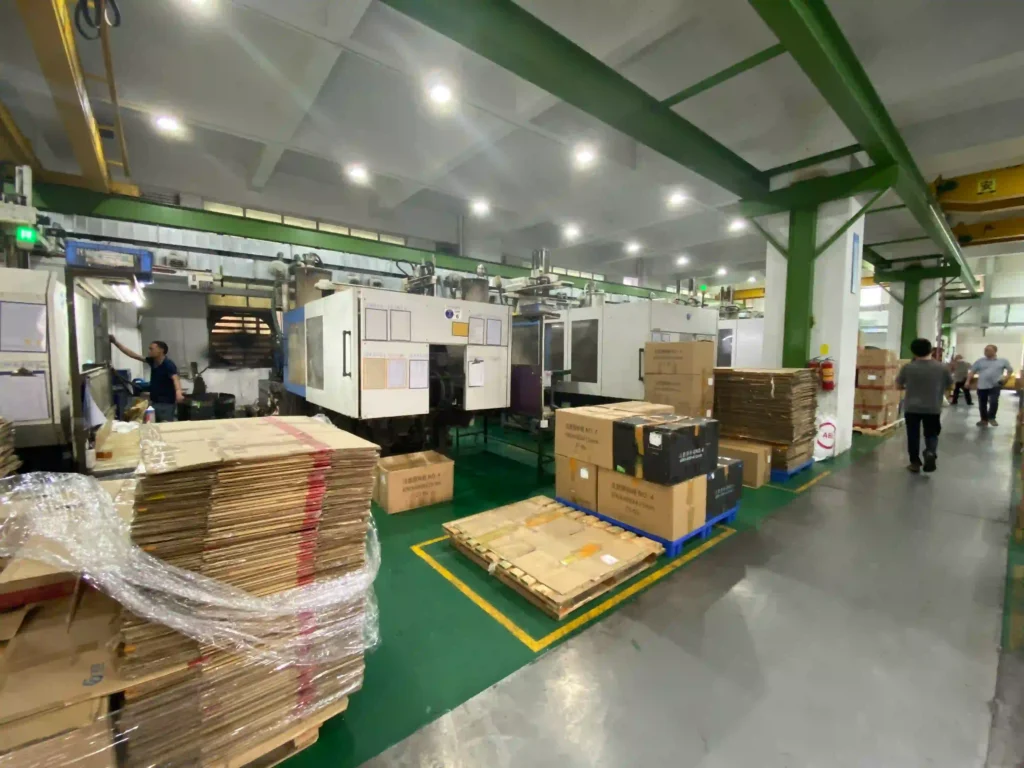
When This Route Fits
Use this route when the mold is production-ready or close to release, repeat demand exists, and the customer can define the approved revision, material, appearance or boundary samples, critical characteristics, and release evidence. Injection molding capacity is available up to 1,200 tons, subject to part, mold, press, resin, and process review.
Production Readiness Inputs
Unknown items can remain open, but the quote and next gate must identify them.
1
Approved mold and latest part revision
2
Resin manufacturer, exact grade, color and drying requirements
3
Approved sample, boundary samples and cosmetic criteria
4
Control plan, critical dimensions, sampling frequency and traceability needs
5
Demand forecast, order quantities, packaging and delivery requirements
How a Repeat-Production Order Is Released
Each step produces a decision or record needed by the next stage.
1. Readiness review
Confirm mold ownership and condition, released part data, demand pattern, resin, target press, cycle assumptions, validation status, and open engineering changes.
2. Material and packaging plan
Approve exact grade, color, drying, lot documentation, regrind rule, supply minimums, packaging method, labeling, and protection against deformation or contamination.
3. Setup and first-off gate
Install the tool, establish the agreed process window, identify cavities, inspect first-off appearance and critical features, and stop for disposition when the baseline is not met.
4. Controlled production run
Monitor the agreed process and inspection points, segregate suspect material, record lot and cavity identity, and maintain the approved mold and handling condition.
5. Lot release and shipment
Release only after required dimensional, appearance, material, quantity, labeling, and packaging checks are complete; include contracted shipping records.
6. Replenishment and change control
Use the released baseline for repeat orders. Resin, mold, process, drawing, sub-supplier, packaging, or inspection changes require documented review before use.
Contracted Deliverables
The quotation identifies which items, samples, records, and revision loops are included.
1
Trial or production samples according to the agreed plan
2
Process and mold-trial records
3
Dimensional or first-article report when ordered
4
Material certificate and lot identification when required
5
Packed production parts and shipping documentation
Acceptance and Release Criteria
- Part drawing/CAD revision, resin grade, approved sample or boundary standard, and cavity identity are unambiguous.
- First-off checks and contracted dimensional or functional checks meet the agreed release plan.
- Lot, quantity, material identity, inspection status, labeling, and packaging are recorded before shipment.
- Any deviation has written disposition from the assigned approval authority; a shipping date alone is not approval.
Customer-specific standards, submission levels, test methods, sample quantities, and approval authority must be named in the RFQ or purchase requirement.
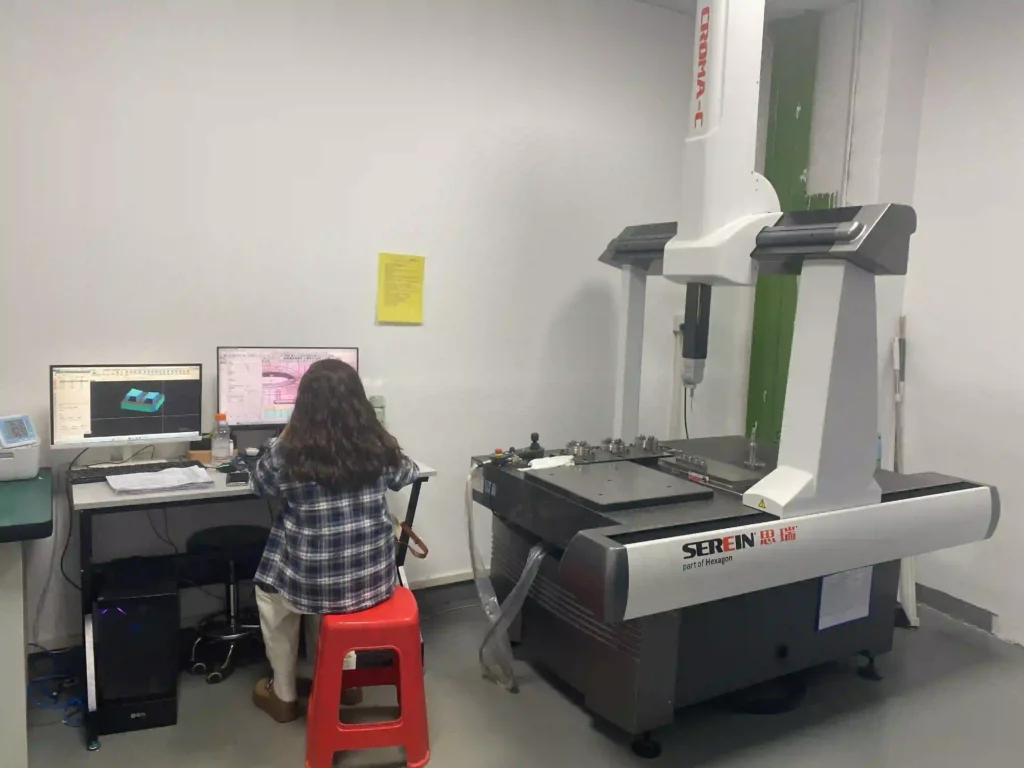
Risks That Change the Scope
These issues should trigger clarification, test planning, or written disposition—not silent assumptions.
Process drift
A narrow process window, unstable cooling, cavity imbalance, venting, or mold wear can move dimensions and appearance after the first acceptable sample.
Material variation
Grade substitutions, moisture, color-lot variation, uncontrolled regrind, or residence-time damage can change performance and appearance.
Release ambiguity
Production cannot be controlled when the approved sample, drawing revision, critical checks, or deviation authority is unclear.
Packaging damage
Long parts, clips, show surfaces, seals, and clean electrical interfaces can fail after molding if support, separation, and cleanliness are not defined.
Commercial Drivers and Boundaries
Part price and lead time depend on resin, shot weight, cycle, cavities, automation, inspection labor, scrap risk, changeover quantity, packaging and forecast stability. Small releases may carry setup and material minimum charges.
A molding quotation is not a blanket vehicle-use approval. Flammability, chemical, UV, electrical, durability and other product tests must be specified, assigned and priced for the actual grade and part.
Review a Part for Stable Repeat Production
Send the current stage and available baseline first. The response will identify missing inputs, the next approval gate, and the scope that can be responsibly quoted.