
Stage-Specific Service
Automotive Mold Transfer, Repair & Modification
Bring an existing injection mold into a new production setting through documented custody, incoming condition, press compatibility, baseline trials, approved repair work, and requalification.
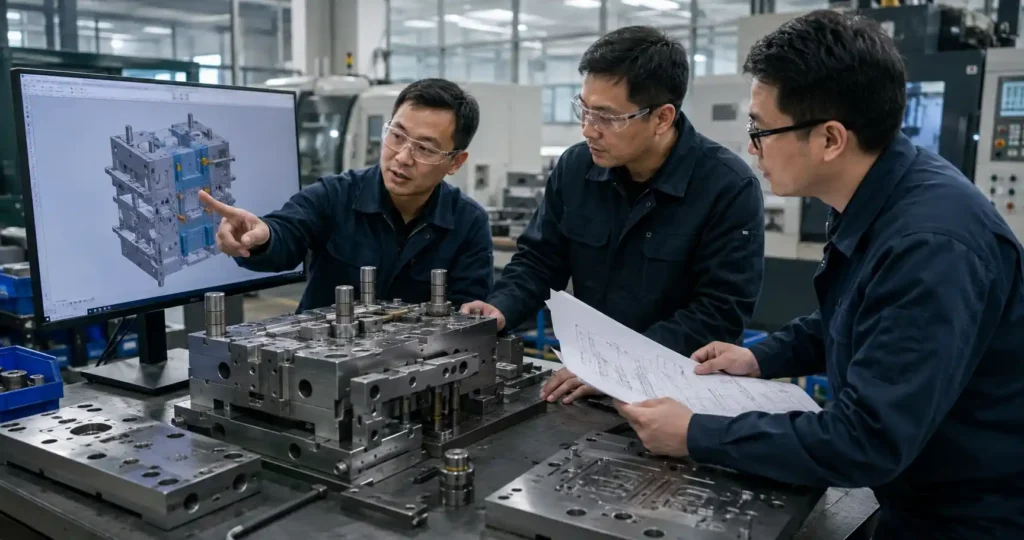
When This Route Fits
Use this route for supplier exits, capacity moves, geographic transfers, service-part continuation, recurring mold faults, or an existing tool that must run on a different press. A quote made before physical inspection remains conditional.
Transfer Authorization and Baseline Inputs
Unknown items can remain open, but the quote and next gate must identify them.
1
Tool ownership authorization and current storage location
2
Mold drawings, part data, latest approved sample and change history
3
Existing press specification, controller and hot-runner information
4
Known defects, repair history, maintenance logs and cycle data
5
Target press, annual demand, quality plan and required timing
Transfer, Recovery, and Requalification Sequence
Each step produces a decision or record needed by the next stage.
1. Authorize custody and movement
Confirm the party entitled to release the mold, its location, asset identity, shipment condition, available drawings, controllers, spares, and known restrictions.
2. Quarantine and inspect
Record received condition before alteration; check visible damage, corrosion, wear, water circuits, hot runner, actions, ejectors, sensors, fittings, and missing components.
3. Match the destination press
Compare envelope, tie bars, platen, locating ring, nozzle, ejector pattern, stack, shot, clamp, utilities, controller, hydraulics, and safety interfaces.
4. Establish a baseline trial
When safe and practical, run the documented resin and compare samples with the controlled drawing, approved sample, source history, and known defect list.
5. Authorize repair or modification
Separate mandatory safety/operability work from performance improvements. No steel change proceeds without agreed scope, data revision, cost, and acceptance method.
6. Requalify and release
Trial the approved condition, close the repair list, update applicable drawings and records, and complete the customer-defined sample, dimensional, or production release gate.
Contracted Deliverables
The quotation identifies which items, samples, records, and revision loops are included.
1
Incoming tool condition report with photographs
2
Compatibility and trial-readiness checklist
3
Repair or modification proposal separated into required and optional work
4
Trial samples and findings after approved work
5
Updated drawings and ECN record for changes performed
Acceptance and Release Criteria
- Ownership/custody authorization and mold identity are documented before movement or alteration.
- Incoming condition and destination-press compatibility are recorded, including unresolved safety or interface items.
- Each repair or modification has approved scope, revision, and acceptance evidence.
- Trial results and remaining destination or customer approvals are explicitly assigned before production release.
Customer-specific standards, submission levels, test methods, sample quantities, and approval authority must be named in the RFQ or purchase requirement.
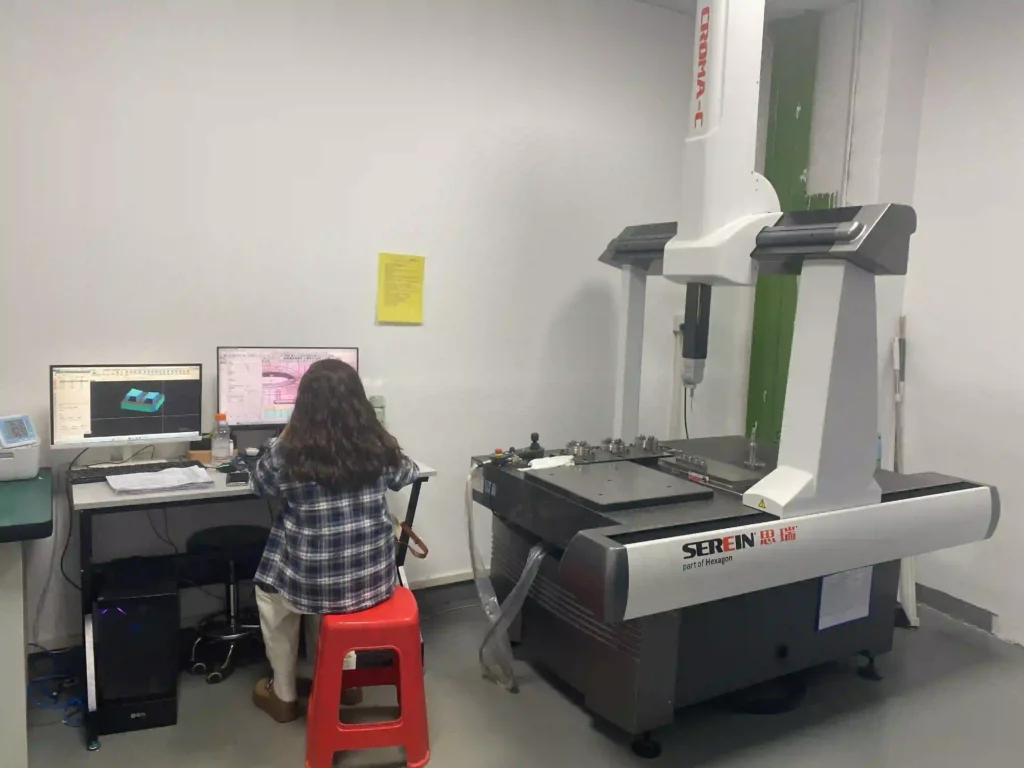
Risks That Change the Scope
These issues should trigger clarification, test planning, or written disposition—not silent assumptions.
Hidden condition
Internal leaks, worn shutoffs, hot-runner damage, corrosion, undocumented welding, and missing spares may appear only after disassembly or trial.
Wrong machine assumptions
A mold that ran elsewhere may not fit or process the same because press, controller, water, dryer, material, or safety interfaces differ.
Unknown baseline
Without a released drawing, resin, process history, and approved sample, repair success can be confused with reproducing an existing defect.
Uncontrolled steel change
Repair and product change must be separated; welding or machining without data authority can make later approval impossible.
Commercial Drivers and Boundaries
Initial evaluation can be quoted separately because hidden conditions are common. Final cost depends on mold size, missing parts, steel damage, hot-runner service, welding, replacement components, ECN complexity and trial material.
A visual review before receipt cannot guarantee internal condition. Work outside the approved scope, obsolete components and vehicle revalidation are excluded unless specifically quoted.
Plan a Controlled Mold Transfer
Send the current stage and available baseline first. The response will identify missing inputs, the next approval gate, and the scope that can be responsibly quoted.