
Capabilities and Evidence
Manufacturing Capabilities and Project Evidence
Review the engineering, tooling, molding, and inspection functions that can be matched to a live part or mold requirement during supplier qualification.
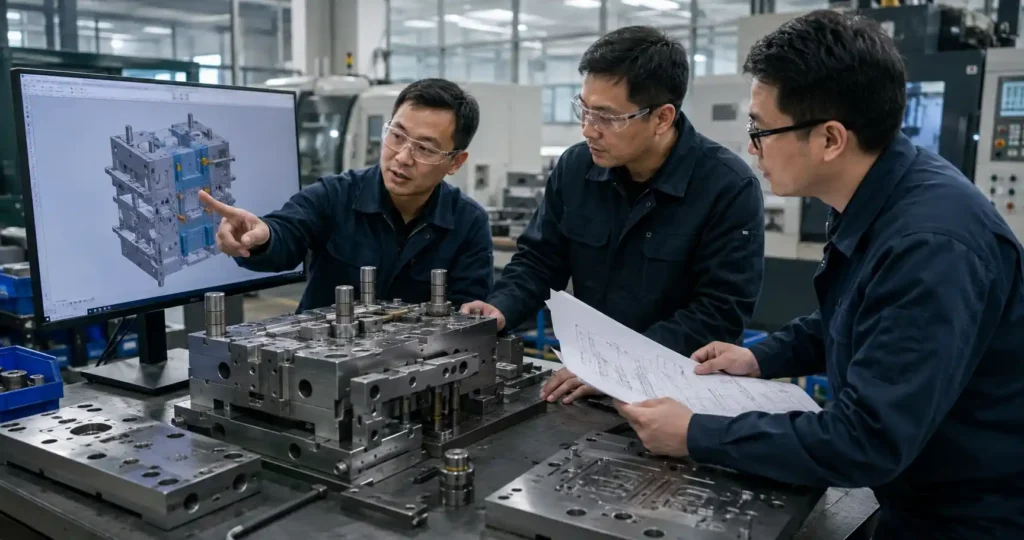
Capability Areas to Evaluate
A responsible qualification review connects the available function to the actual part, mold, press, material, quality, and delivery requirement.
Engineering and DFM
Review how revisions, manufacturing risks, gate/parting/ejection decisions, open items, mold specifications, and design approvals are controlled.
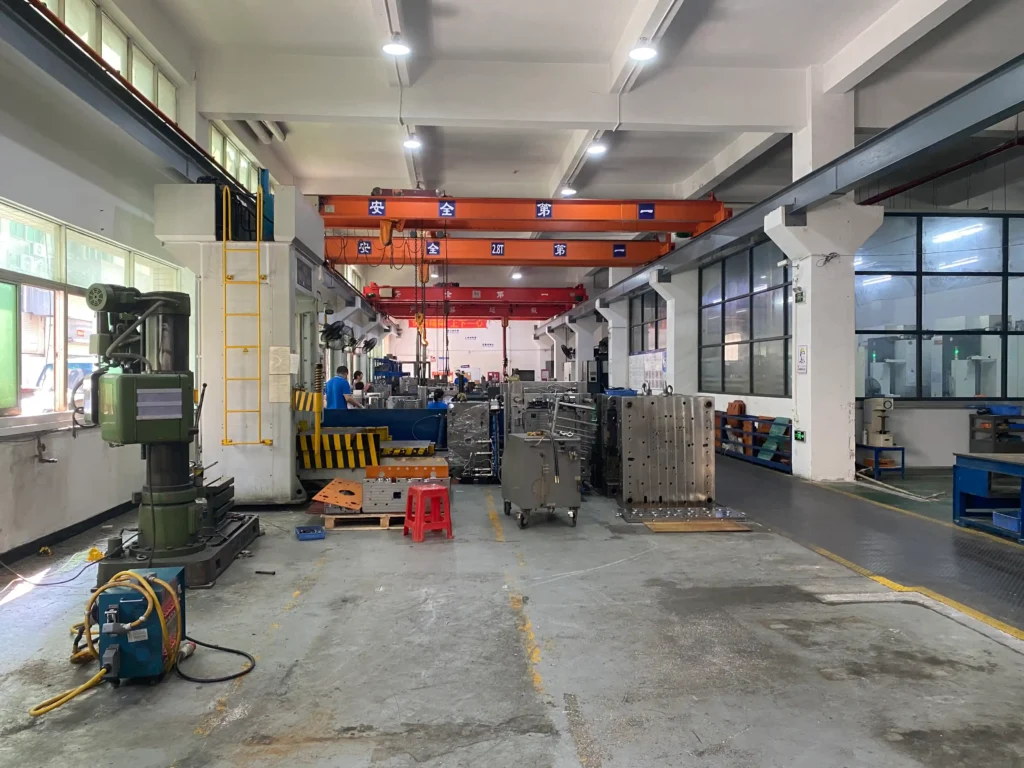
Mold manufacture and service
Review steel/component specifications, design milestones, machining and fitting controls, T1, corrections, repairs, maintenance access, and export requirements.
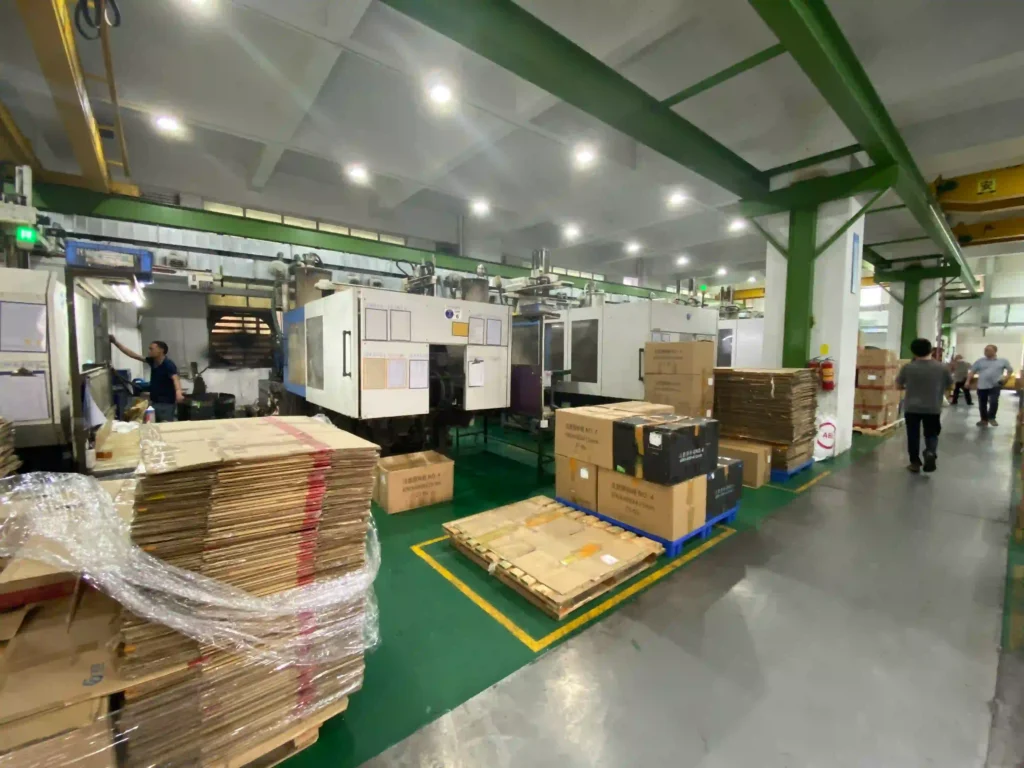
Molding and repeat production
Review press/tool fit, resin handling, setup, first-off, process monitoring, lot release, packaging, replenishment, and change control for the proposed part.
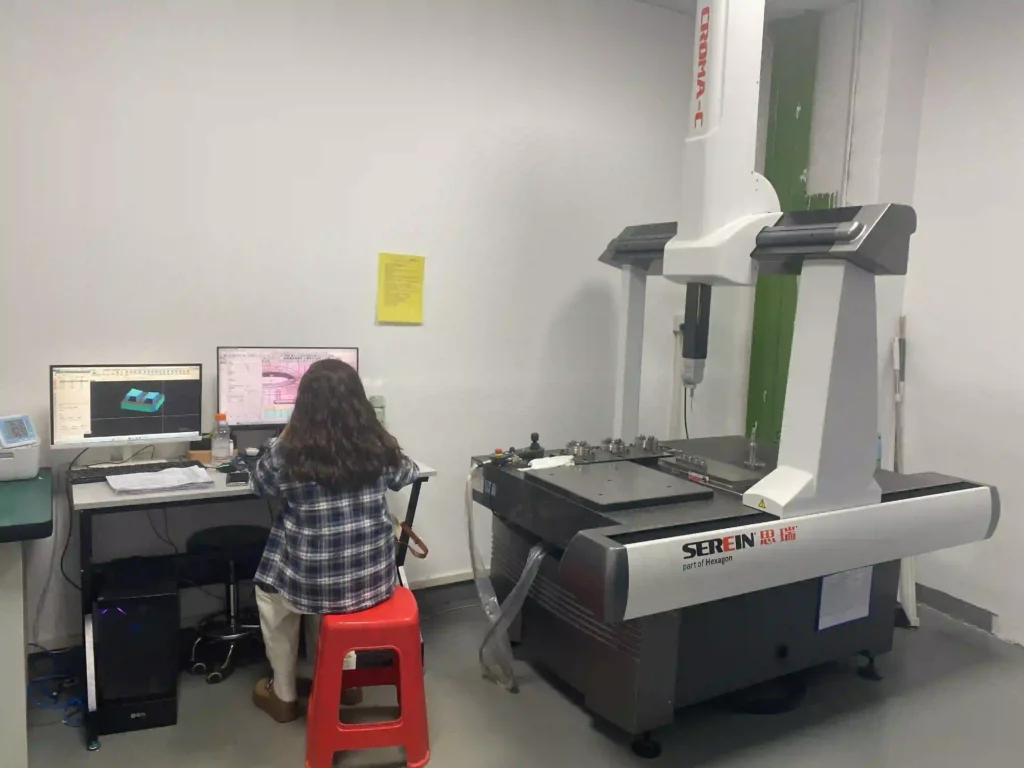
Dimensional inspection
Review equipment and methods against datum structure, tolerances, fixtures, conditioning, cavity identification, reporting, and decision authority.
What Can Be Reviewed Under an Appropriate Confidentiality Basis
- A project-specific DFM or mold-design sample with confidential customer information removed or controlled.
- Example trial, dimensional, material, change, maintenance, lot, packaging, or submission records relevant to the requested scope.
- The actual press, tool interface, measurement method, material-handling plan, and quality workflow proposed for the inquiry.
- A live video review or scheduled facility visit where identity, access, confidentiality, safety, and applicable restrictions are agreed.
The available evidence depends on confidentiality, customer ownership, record retention, and relevance to the requested process. It should be evaluated during qualification rather than inferred from a website image.
How a Project-Specific Capability Review Is Structured
The review is narrowed to the current route and the evidence needed for a sourcing decision.
Business and technical baseline
Identify the part or mold, current stage, demand, location, ownership, revision, resin, known risks, timing, and confidentiality requirements.
Proposed manufacturing route
Match the inquiry to production, transfer, second source, new tooling, DFM, insert/assembly, or export-mold work and identify the responsible people and equipment.
Relevant evidence package
Agree which DFM, design, trial, dimensional, material, process, maintenance, packaging, or submission records are needed for evaluation.
Acceptance and change control
Assign approval authority, open-item closure, sample and test criteria, production or shipment release, and control of later changes.
Choose the Next Qualification Step
For a live production opportunity, begin with the short RFQ and identify whether the need is repeat production, mold transfer, a second source, a new mold, DFM, insert/assembly, or an export mold. The follow-up review can then request only the capability and evidence relevant to that route.
Request a Project-Specific Capability Review
Describe the part, current project stage, destination, demand, and approval requirements. Supporting evidence can then be reviewed at the appropriate confidentiality level.