Injection Molding for Automotive
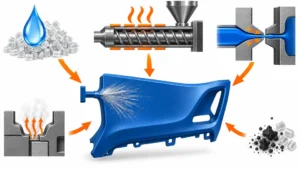
Splay on Automotive Plastic Parts: Separating Moisture, Heat and Shear
Separate moisture, heat, shear, venting and contamination causes of splay on automotive plastic parts with controlled evidence and trials.

Separate moisture, heat, shear, venting and contamination causes of splay on automotive plastic parts with controlled evidence and trials.

Diagnose automotive injection molding flash by location, tool sealing, cavity pressure, material condition and controlled verification before repair.

Plan multiple colors in one automotive mold using color demand, measured changeovers, first-off release, batch size and inventory tradeoffs.
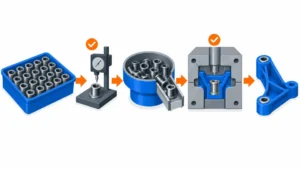
Agree insert identity, incoming inspection, quantity allowance, shortages, traceability and scrap responsibility before an automotive molding run.
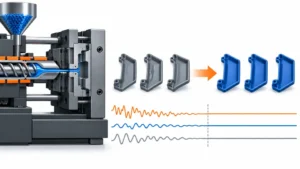
Define a stable first-off condition for automotive injection molding using setup checks, time-ordered process evidence, cavity samples and a reaction plan.

Design sensor housings for potting with continuous fill, high-point venting, protected interfaces, cure-stress control and credible void inspection.

Diagnose thin-wall panel warpage by measurement restraint, material, flow, cooling, ejection, conditioning and packaging before changing steel.

Place parting lines, shutoffs and ejectors around controlled cosmetic zones, tool wear, assembly gaps and production-intent appearance approval.
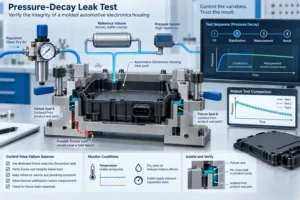
Design pressure-decay leak tests around the true product boundary, fixture seals, stabilization, temperature, reference checks and failure localization.

Interpret Cpk and Ppk using stable, cavity-identified, time-ordered and reproducible measurement data without hiding a weak cavity.