Automotive Molding Capacity: What a Run-at-Rate Trial Should Demonstrate
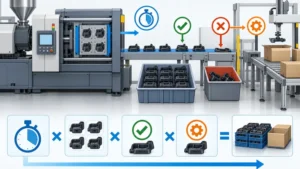
A practical, unit-safe method for using a Run at Rate to assess good-part output, downtime, downstream constraints and evidence—not just nominal machine speed.
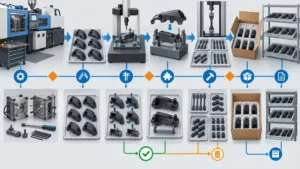

A practical, unit-safe method for using a Run at Rate to assess good-part output, downtime, downstream constraints and evidence—not just nominal machine speed.
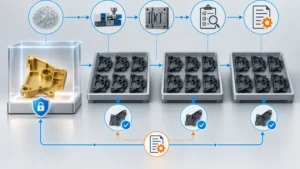
A pilot-production planning method that assigns every automotive plastic sample to an objective, evidence record and release condition without inventing a universal sample count.

A release-evidence matrix for separating first-tool-trial sample observations from product, process, inspection, packaging, capacity and customer approval.

A repeat-order control method linking released drawings, process versions, material identity, reference samples, first-off checks, changes and lot traceability.

A demand-planning framework for separating annual volume, order releases, economic production batches and supplier MOQ without inventing a universal minimum.

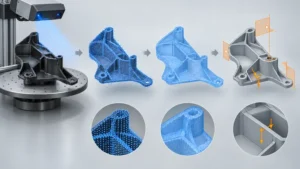
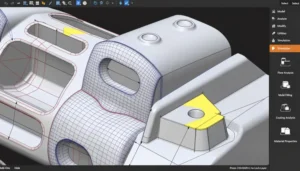
A decision framework for reproducing an authorized automotive plastic part when the original 3D CAD is missing, incomplete or unreliable.

A component-specific DFM and validation-input checklist for automotive wire harness clips, separating insertion, retention and service-removal forces.

Large dashboard substrates combine long visible surfaces, local mounting features and interfaces to several assemblies. Uneven shrinkage can distort the panel, thick bosses can cause
Join our mailing list and receive a 10% discount on your next mold or CNC project.
Send your drawings and detailed requirements via:
Email: jerry@ckmold.com
Or fill out the contact form below:
We will contact you within one working day. Please pay attention to the email with the suffix “@ckmold.com”